Built for everyone. Used by those who decide.
Diakonie Deutschland had quickly built a portal that shows staff in hospitals, day-care centres and care homes which software they are allowed to use in compliance with data protection rules. It was well stocked, but hardly anyone used it. And nobody could say why.
Die Lage
After two years of the pandemic, social care facilities had to go digital quickly: video conferencing, rotas, documentation. But not every tool is permitted, church data protection rules apply, and there is no staff to check them. Almost three quarters of the facilities named the staff shortage as the biggest obstacle. This is exactly where the portal was meant to help. It was well stocked. But the search returned vague results, the categories hardly helped, and hardly anyone left a review.

Der blinde Fleck
The portal had been built quickly, from the perspective of those who knew the problem, not of those who were supposed to solve it. It was intended for all staff, and this very group hardly used it. From the inside, that is hard to see: if you have built something, you read every use as confirmation. What was missing was an unbiased look at who actually comes and why the intended users stay away.

A survey and seven interviews with facilities, from a city mission to a hospital group, gave a clear answer. The portal is used mainly by people who decide on applications or recommend them to their management: managers and heads of IT. That made it no longer a catalogue for everyone, but a decision aid for the few who decide for many.
Die Wirkung
Nach außen
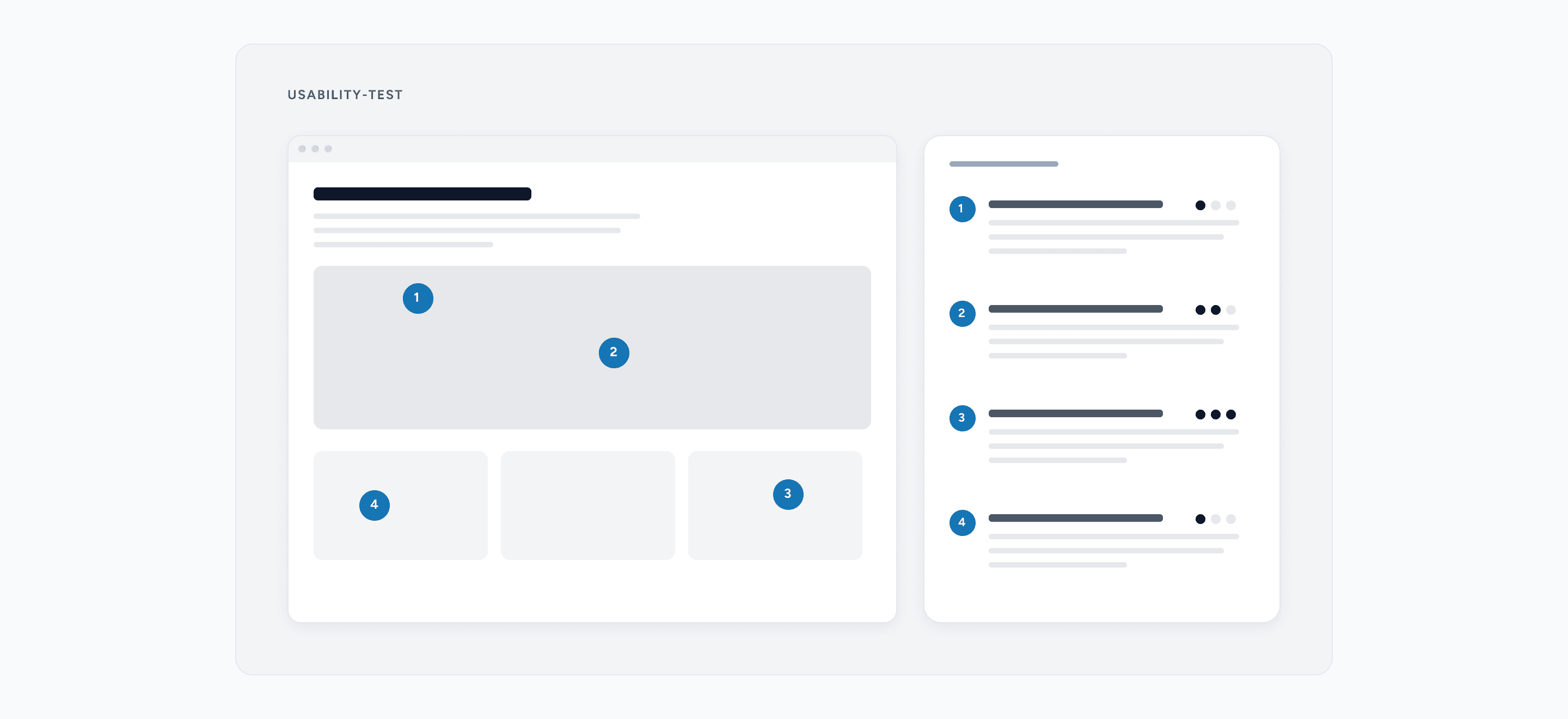
Three recommendations address the points where decision-makers get stuck: a search with autocomplete and precise filters, categories that follow the users’ logic instead of the database’s, and an exchange in which facilities learn from each other what works.
Nach innen
For the first time, Diakonie had a solid basis for further development: a user survey, interviews, tests and three personas derived from them. Development received concrete recommendations instead of assumptions, and since then discussions about new features start with the question of whom they help.

Die Lehre
Many organisations build offerings for the masses that are carried by a few. If you know who those few are, you can tailor your offering to them instead of filling it up further and further.
“We thought we were building a portal for everyone. In fact, we are building it for those who decide.”
Do you know who really uses your offering – and who doesn’t?
In a free 30-minute Outside View, I share how your company comes across. I prepare three concrete observations beforehand.
Schedule an Outside View

